Picture this: You’re launching a new app. To save time and keep the budget lean, you head over to a digital marketplace and buy a slick-looking app template for twenty bucks. The live preview is gorgeous, the animations are buttery smooth, and you feel like you just saved your team a solid month of work.
Then, your lead developer actually opens the source code.
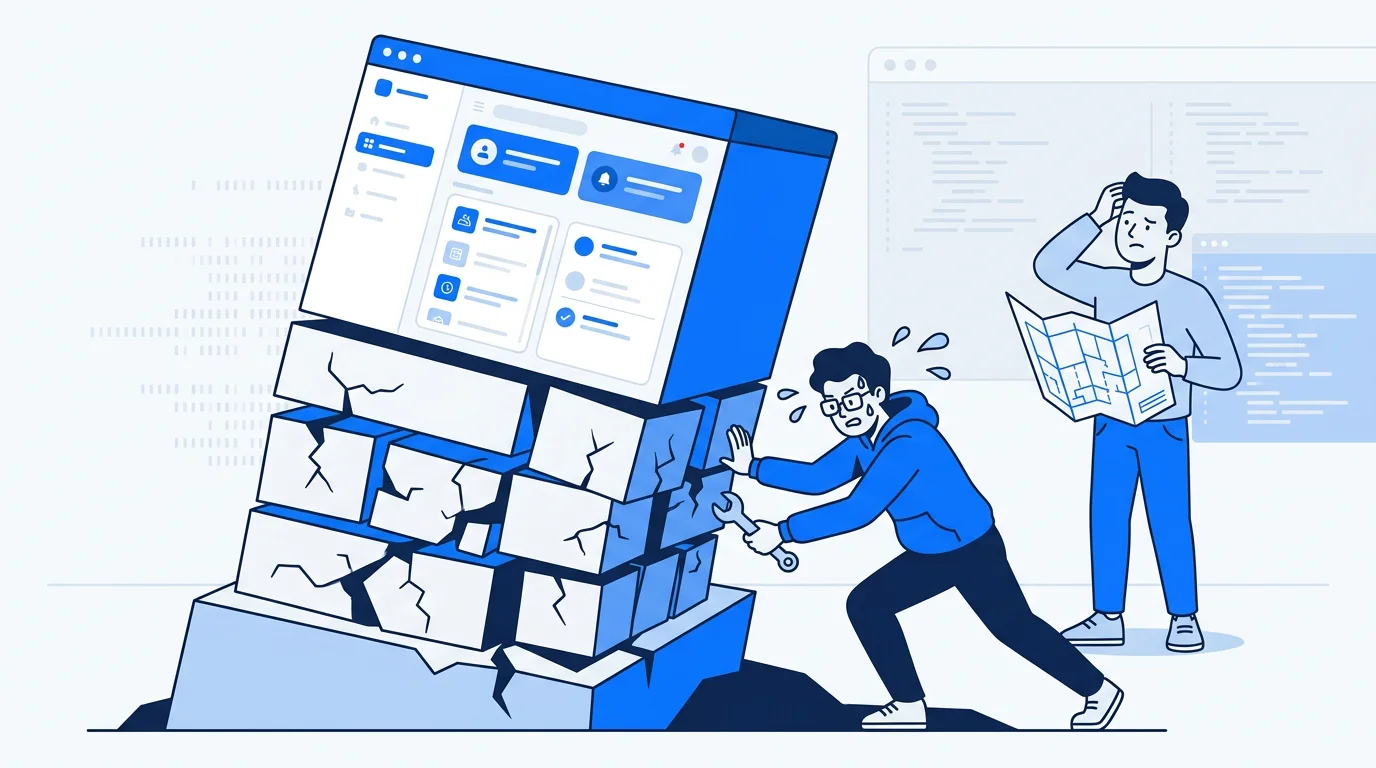
Suddenly, that “bargain” template turns into a nightmare. The UI components are hopelessly tangled in massive, unreadable files. Colors and fonts are hardcoded on every single screen. There’s no state management, no logical folder structure, and absolutely zero documentation. You haven't bought a shortcut; you've bought a liability.
When you buy app source code, you’re investing in the architectural foundation of your entire business, not just paying for the surface-level design. Today, we’re covering the hidden costs of bad source code, why architecture matters just as much as aesthetics, and how to spot a template that will actually scale with your vision. For the full pre-purchase checklist, see our guide to choosing a Flutter template.
The "Spaghetti Code" Trap and Its Hidden Price Tag
In the software world, we talk a lot about "technical debt" the future cost of choosing a quick, sloppy solution over a well-architected one. Cheap marketplace scripts are often ground zero for this debt. To rush a product to market, creators of low-quality templates often skip best practices entirely. The result is "spaghetti code," a tangled mess where a simple change on the login screen somehow breaks the user profile page.
This is frustrating for your team, and it’s incredibly expensive for your business.
Recent industry data shows just how damaging poor architecture can be. Research indicates that developers spend roughly 25% of their working hours simply wrestling with technical debt. Worse, teams weighed down by high technical debt spend up to 40% more time on maintenance compared to teams working with clean codebases.
When you buy a poorly structured software boilerplate ui, you aren't skipping the development phase. You're just shifting the heavy lifting to your own team. Instead of building exciting new features, your developers will be stuck untangling undocumented widgets and fixing obscure bugs. By the time they rewrite the code to make it usable, you’ve spent five times what it would have cost to buy a premium solution.
The True ROI: Premium Templates vs. Cheap Scripts
How do you measure the return on investment (ROI) between premium ui ux templates and budget-bin scripts? It all comes down to developer velocity and long-term stability.
A cheap template gives you a false sense of progress. It looks finished in the demo, but the moment you need to add custom business logic or integrate a backend API, the entire structure fights back. Every new feature takes twice as long to build, and every update risks bringing the whole app down.
On the flip side, a premium template is built like a professional, structurally sound house. The wiring and plumbing the state management, the routing, the separation of UI and business logic are all clearly defined. When you pay a higher upfront price for a quality template, you're paying for the hundreds of hours an expert developer spent carefully organizing that codebase.
The ROI of a premium template is usually realized in the first few weeks of development. Your team can onboard instantly, snap their custom APIs into the pre-built architecture, and push to production faster. You’re buying speed, stability, and peace of mind, not just a pretty interface.
Centralized Theme Files: The Secret to Rapid Reskinning
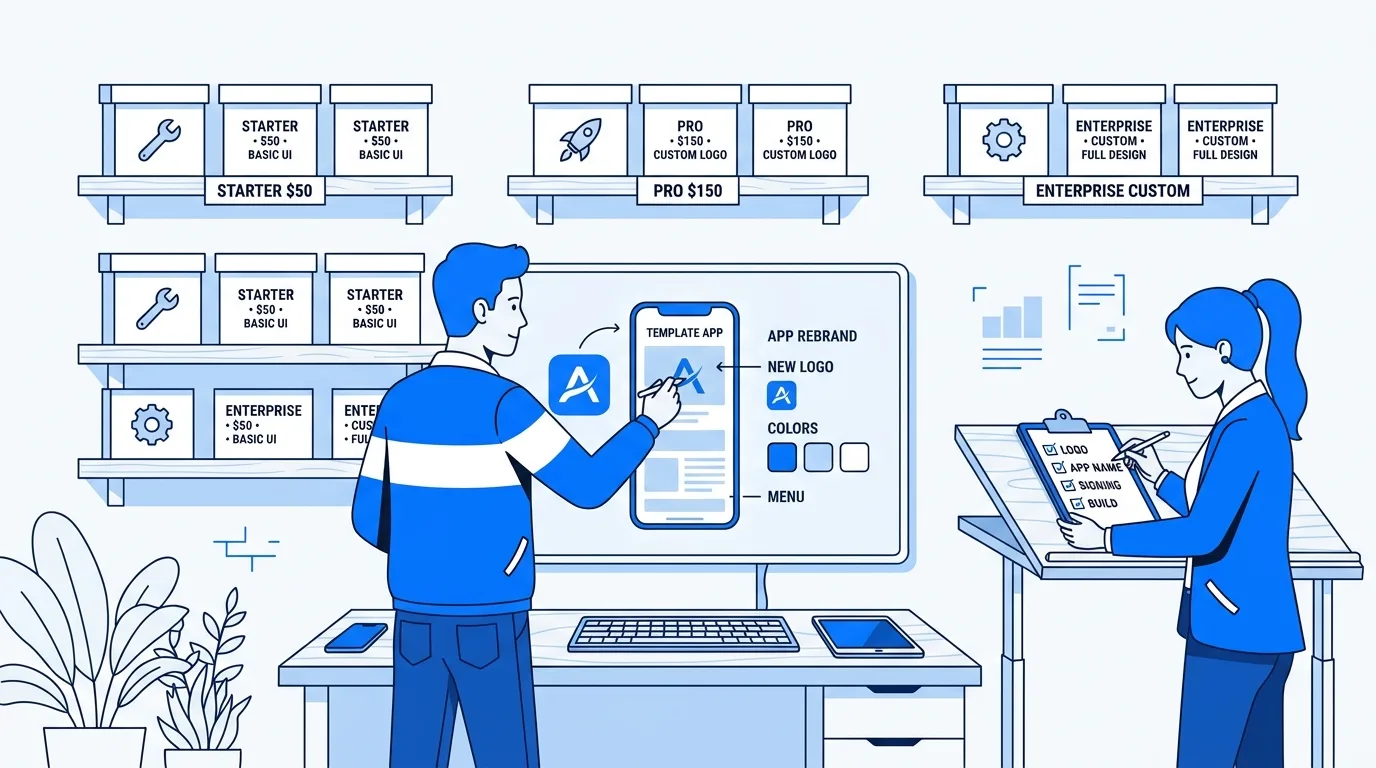
One of the main reasons companies buy templates is to reskin them to apply their own branding, colors, and typography so the app looks uniquely theirs. In a bad template, this is a grueling process of hunting down hex codes scattered across fifty different files using the "Ctrl+F" search function. Miss one, and your app suddenly flashes a neon green button from the original demo.
A truly premium template uses centralized theme files to solve this problem entirely. This is especially critical if you are working with modern cross-platform frameworks. For instance, if you are using a Material 3 Flutter template, the architecture should heavily leverage Flutter’s built-in theme capabilities.
With a well-structured Material 3 implementation, you don't define colors on individual buttons. Instead, you use a centralized command like ColorScheme.fromSeed(). By simply feeding the application your brand's primary color, the framework automatically generates a harmonious, accessible color palette for both light and dark modes.
This means you can completely reskin an app in a matter of hours, not weeks. Centralized typography, spacing variables, and component themes mean that when you change a setting in your theme file, it updates flawlessly across the entire application. That is the power of a proper architecture it works for you, not against you.
So before you pay for any template, open the theme file and the folder structure and see how much hunting a rebrand would take. If you would rather start from code written with that in mind, browse our Flutter and web templates and judge the structure for yourself.
Why Comprehensive Documentation is Non-Negotiable
Even the most beautiful, elegantly coded application is essentially useless if no one knows how to navigate it. Documentation is the map to your new codebase, yet it’s often the very first thing budget template creators skip to save time.
When developers are handed an undocumented project, they are forced to reinvent the wheel. They have to painstakingly trace data flows, reverse-engineer functions, and guess the original author's intentions. This leads to massive inefficiency, much longer troubleshooting times, and incredibly costly errors when updating the app. Furthermore, solid documentation protects you against staff turnover by ensuring critical knowledge isn't lost when team members leave.
Premium templates treat documentation as a core feature, not an afterthought. They provide clear, readable guides on how to configure the environment, how the state management is structured, and how to add new screens. Good documentation turns an intimidating codebase into a friendly tool your team will actually enjoy using.
The Bottom Line: Build on a Solid Foundation
An app is only as good as the code it’s built on. The initial price tag of a template is just a tiny fraction of its true cost. When you invest in a high-quality foundation, you save thousands of dollars in maintenance, keep your developers happy, and get your product to the market faster.
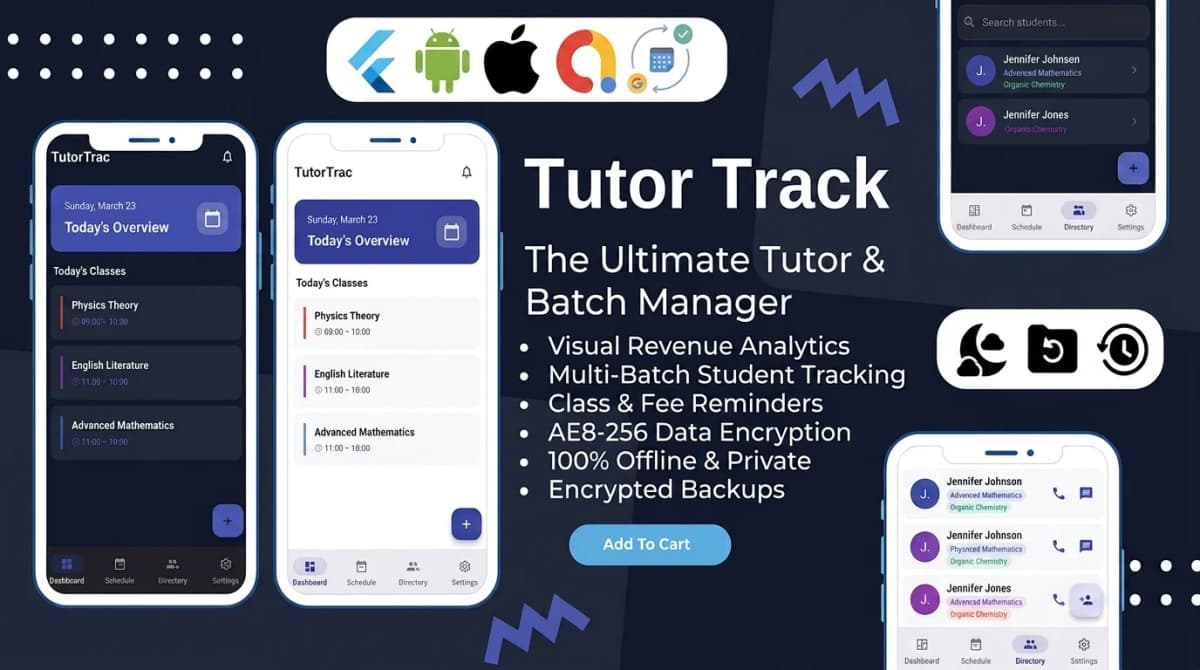
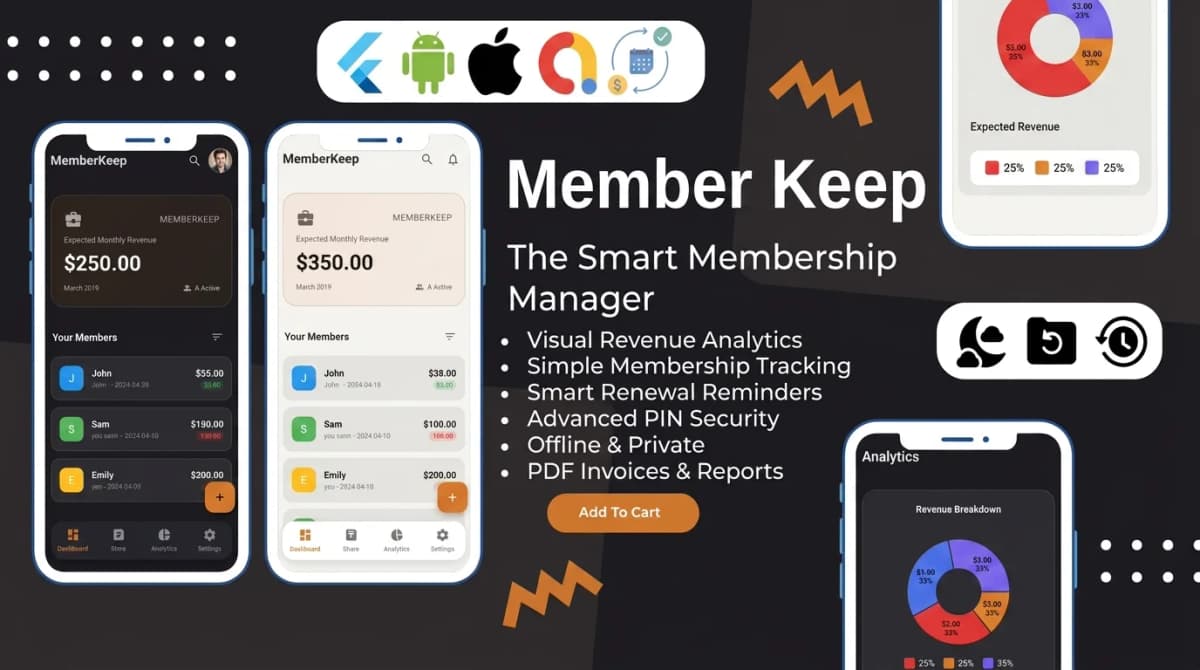
At Stacklyn Labs, we know that architecture matters. As a specialized development studio, we craft premium Flutter templates like Zenith, StockPilot, SubZero, and Rent Folio with real developers in mind. We don’t just build beautiful UIs; we build clean, scalable, and fully documented source code that you can actually trust to grow your business.
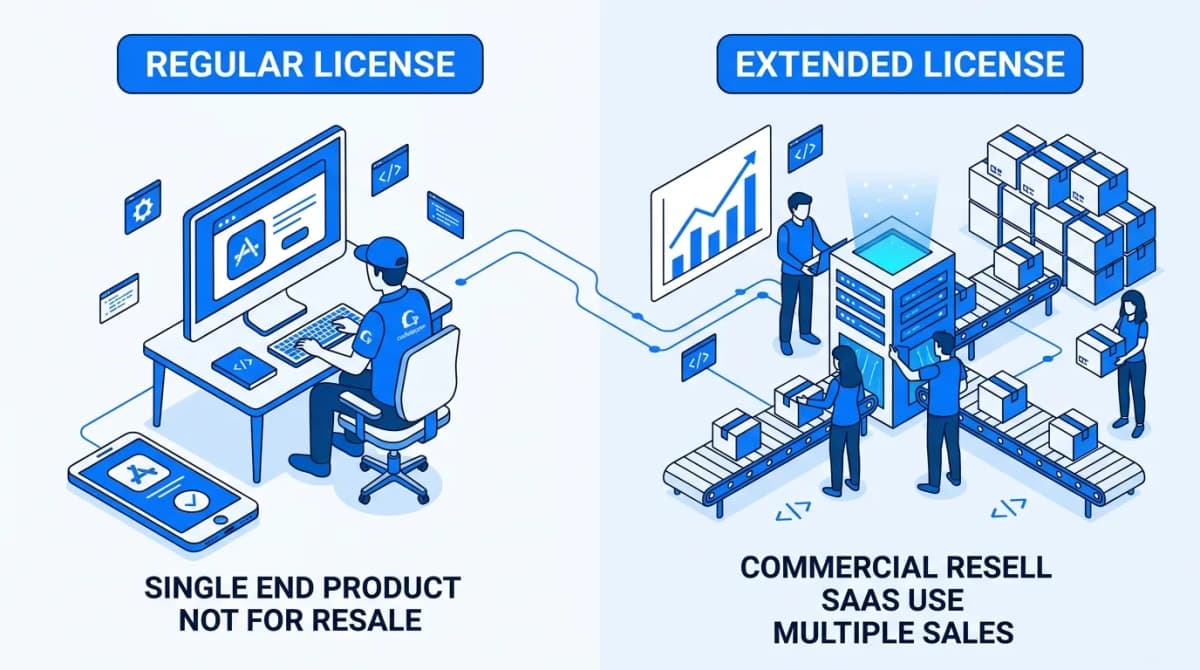
Ready to skip the technical debt and start building the right way? Check out our portfolio on CodeCanyon and see what a true premium template looks like. Buying on a marketplace also means picking the right license for how you plan to use the code. We cover Regular vs Extended licensing for Flutter apps if that decision isn't clear yet.
References & Further Reading
Stripe. (2018). The Developer Coefficient.: This comprehensive industry report backs up the article's statistics on technical debt, detailing how much time and money companies lose when developers are forced to wrestle with bad code and heavy maintenance.
Fowler, M. (2003). TechnicalDebt. MartinFowler.com.: Martin Fowler is a leading voice in software architecture. This foundational essay perfectly explains the "technical debt" concept discussed in your introduction and why development shortcuts always cost more later.
McKinsey & Company. (2020). Developer Velocity: How software excellence fuels business performance.: This research validates the ROI section of the post, proving that removing friction from the developer experience (like providing clean, documented templates) directly increases a company's speed-to-market and overall revenue.
Google. (2021). Material Design 3: Color system. Material.io.: An excellent technical reference for the "Centralized Theme Files" section. It explains the mechanics behind dynamic color palettes and how tools like
ColorScheme.fromSeed()make rapid reskinning possible.Martin, R. C. (2008). Clean Code: A Handbook of Agile Software Craftsmanship. Prentice Hall.: The definitive industry guide on avoiding "spaghetti code." It reinforces your argument that well-structured, documented, and readable code is a non-negotiable business asset rather than just a developer preference.

Written by Stacklyn Labs
Stacklyn Labs is a small studio publishing offline-first Flutter templates on CodeCanyon and Codester since 2025, and building custom Flutter and web apps for the teams who buy them.