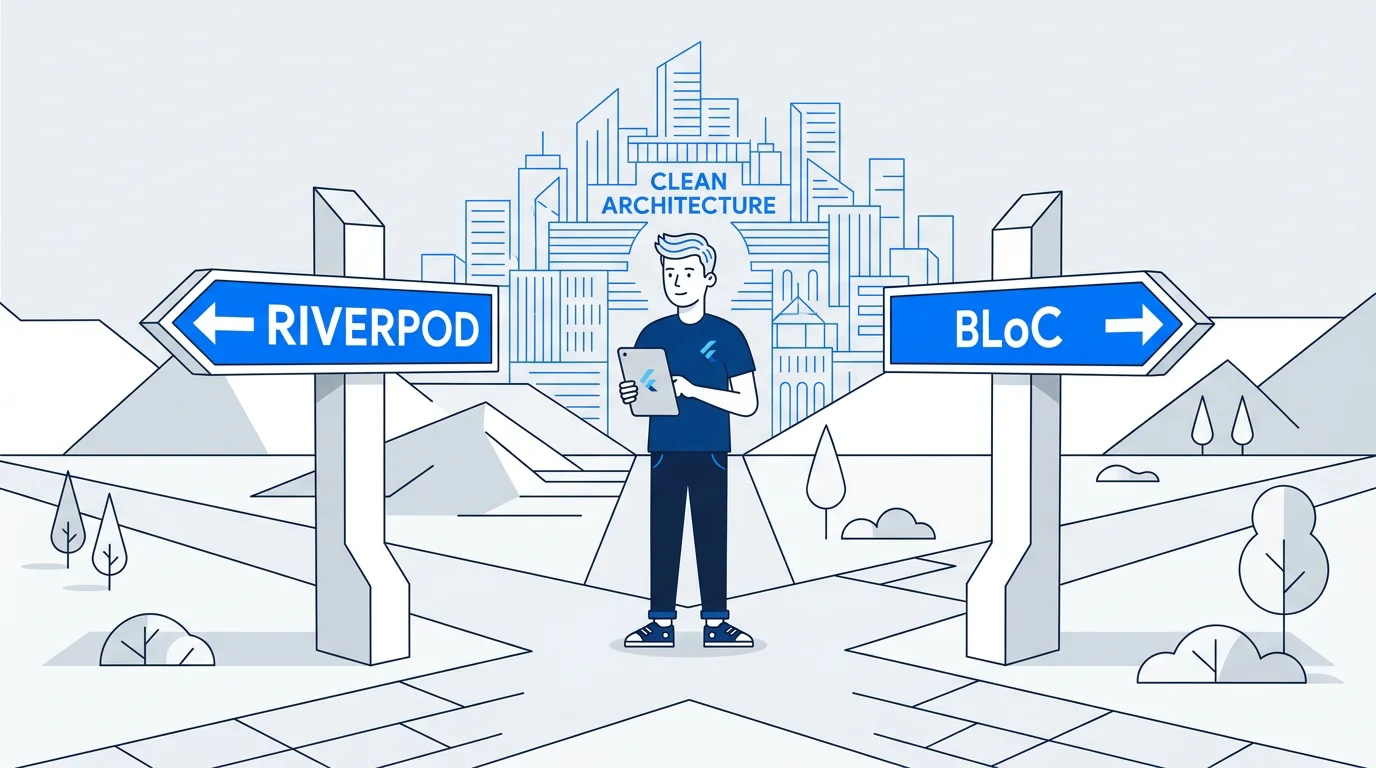
Flutter State management used to be a wild west of conflicting opinions. If you have been building apps for a few years, you likely remember the days of tangled Provider trees, untraceable setState rebuilds, and the constant fear of the dreaded ProviderNotFoundException. By 2026, the dust has finally settled, and the industry has converged on two absolute titans: Riverpod 3.0 and BLoC 9.0.
Choosing between them is a fundamental architectural decision that will dictate your app's scalability, your team's velocity, and your code's reliability for years to come. While both frameworks have evolved significantly, they have taken radically different paths. One has doubled down on strict, enterprise-level verbosity, while the other has embraced compile-time safety, straightforward asynchronous handling, and drastically reduced boilerplate.
If you are navigating the complexities of flutter app development today, you need a clear, unbiased look at how these tools perform in production. Here is your definitive guide to riverpod vs bloc in 2026, and why the industry’s premium templates are overwhelmingly adopting one over the other. State management decides how data flows through your app; where that data lives is the other half of the decision, covered in our Hive vs Isar vs SQLite comparison.
BLoC 9.0: The Enterprise Heavyweight
For nearly a decade, BLoC (Business Logic Component) has been the undisputed champion of regulated industries, FinTech, and massive enterprise teams. Its core philosophy has always been strict separation of concerns: Events go in, States come out.
With the release of BLoC 9.0, the framework has cemented its position as a highly predictable, albeit verbose, architecture. The introduction of EmittableStateStreamableSource has drastically improved testability. It allows developers to create lightweight mock implementations that emit controlled state streams without tightly coupling tests to the full BlocBase. Furthermore, BLoC 9.0 cleaned up its API by removing deprecated overrides, forcing developers to use Bloc.observer directly, which makes global logging and crash reporting more standardized across large organizations.
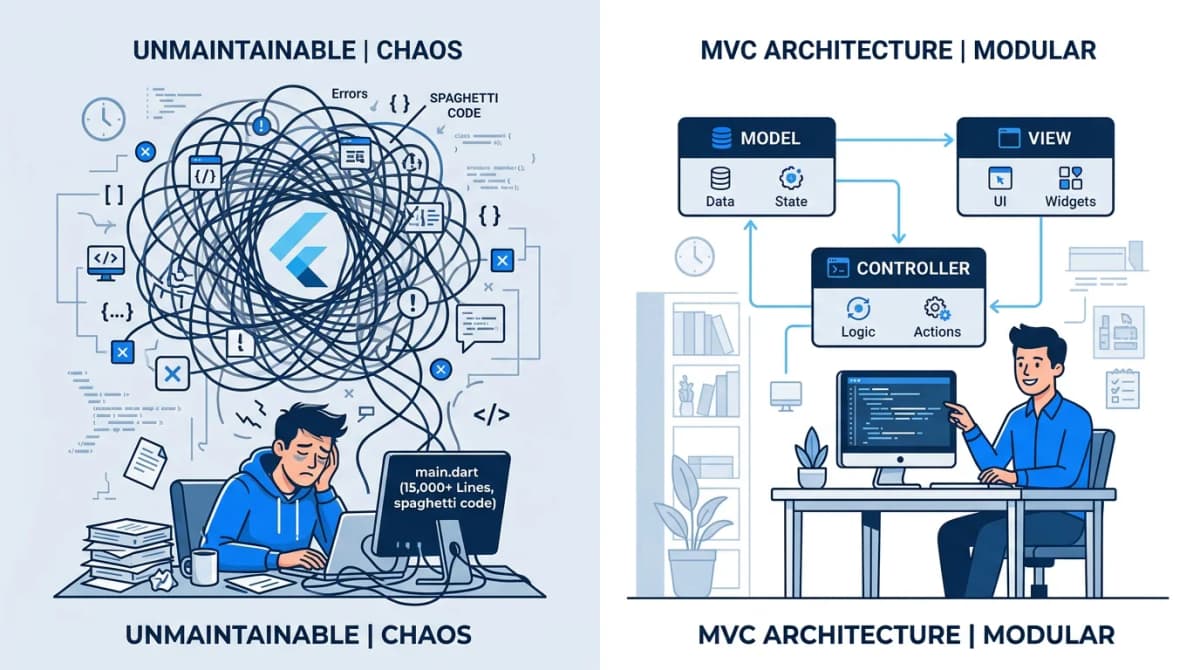
However, BLoC’s greatest strength is also its most severe bottleneck. The sheer amount of boilerplate required to execute a simple state change is staggering. To fetch a list of users, you must define the Event class, the State class (with loading, loaded, and error variants), and the actual Bloc logic to map those events to states. In massive corporate environments where hundreds of developers touch the same codebase, this strictness prevents chaos. But for agile teams aiming to iterate quickly and build scalable software, BLoC often feels like running a marathon in a suit of armor.
Riverpod 3.0: The Modern Standard of Compile-Time Safety
If BLoC is a strict corporate hierarchy, Riverpod 3.0 is a hyper-efficient, autonomous team. Created by the original author of Provider, Riverpod was designed from the ground up to fix everything that was wrong with legacy state management.
In flutter state management 2026, Riverpod 3.0 is the modern baseline. The most significant shift is its absolute commitment to compile-time safety. By moving heavily toward Code Generation (using the @riverpod annotation), Riverpod eliminates manual declarations and the human errors that come with them. You write the business logic, and the framework generates the boilerplate. If your state logic has a flaw, your app simply will not compile. This guarantees that runtime errors related to state are practically eradicated.
Furthermore, Riverpod 3.0 completely removes the dependency on BuildContext. You can read, watch, and modify your state from anywhere in your application whether you are inside a UI widget, deeply nested in a repository, or handling a background service. It acts as a single, safe, global source of truth that widgets can independently "tune into."
Riverpod 3.0 also introduces powerful experimental offline persistence, mutation APIs for handling side-effects (like form submissions or button clicks), and automatic retries with exponential backoff for failed network requests. It tackles the real-world problems of modern engineering head-on, saving you weeks of writing custom synchronization logic.
The AsyncValue Revolution
Modern applications are fundamentally asynchronous. We fetch data from REST APIs, stream updates from WebSockets, and read from local SQLite databases. Handling this asynchronous chaos is where Riverpod entirely outclasses BLoC.
In BLoC, handling an asynchronous network request requires you to manually define and emit distinct states: UserLoading, UserLoaded, and UserError. You have to write the try-catch blocks, manage the transitions, and ensure the UI reacts to each specific state correctly.
Riverpod solves this elegantly with AsyncValue. When you expose an asynchronous provider, Riverpod automatically wraps the data in an AsyncValue object. In your UI, you simply use pattern matching to map the state directly to your widgets:
- Data: Render your primary UI elements.
- Loading: Show a spinner or skeleton loader.
- Error: Show an error message and a retry button.
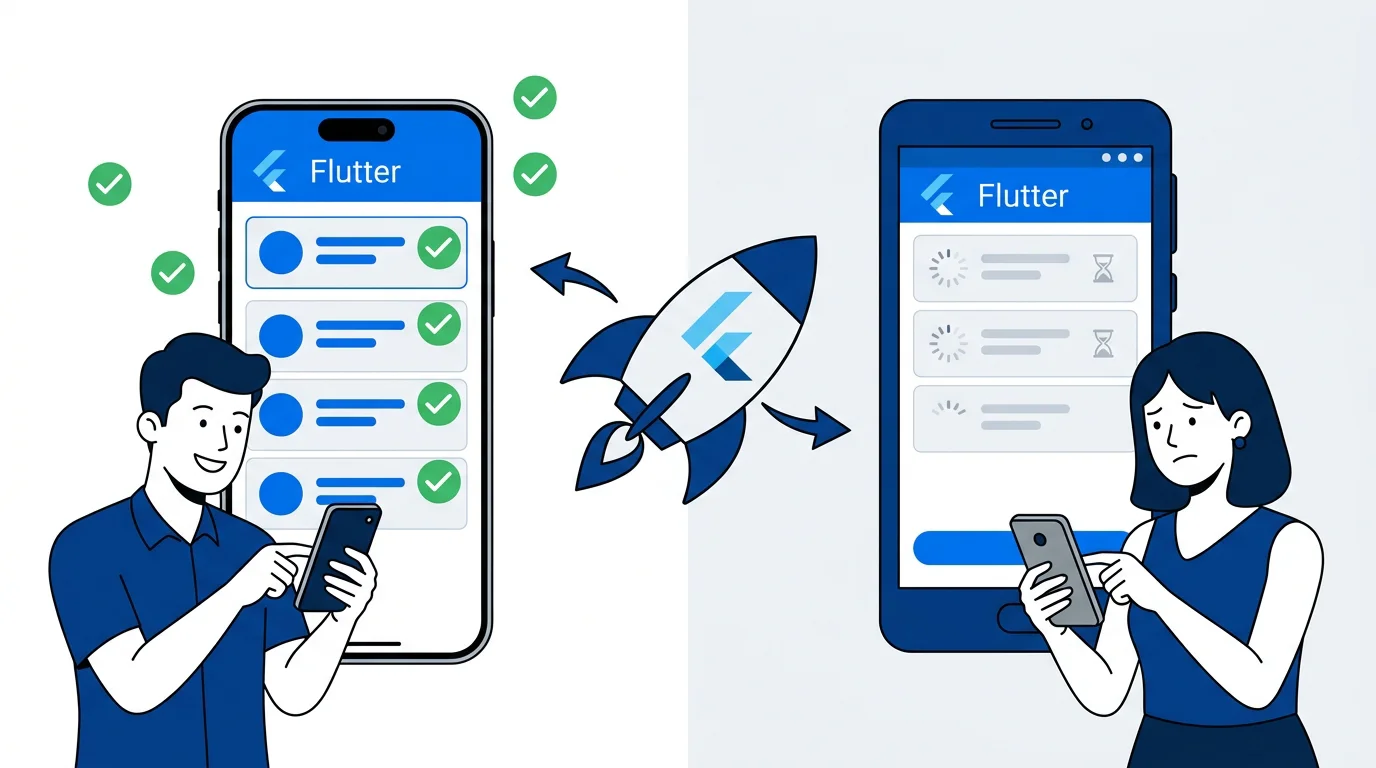
It is declarative, concise, and practically impossible to mess up. Dealing with network flakiness is a massive pain point in thick-client engineering. Riverpod 3.0’s automatic retry mechanisms, combined with AsyncValue, mean your app gracefully handles dropped connections and latency without you having to write a single line of boilerplate retry logic. It is a paradigm shift that makes building resilient apps profoundly easier.
Redefining Flutter Clean Architecture
A common misconception is that you need BLoC to achieve true flutter clean architecture. In the past, Riverpod was sometimes criticized for blurring the lines between UI and business logic because it was so easy to use directly in the view. However, the 2026 ecosystem has proven that Riverpod actually enhances clean architecture by enforcing dependency injection natively at the framework level.
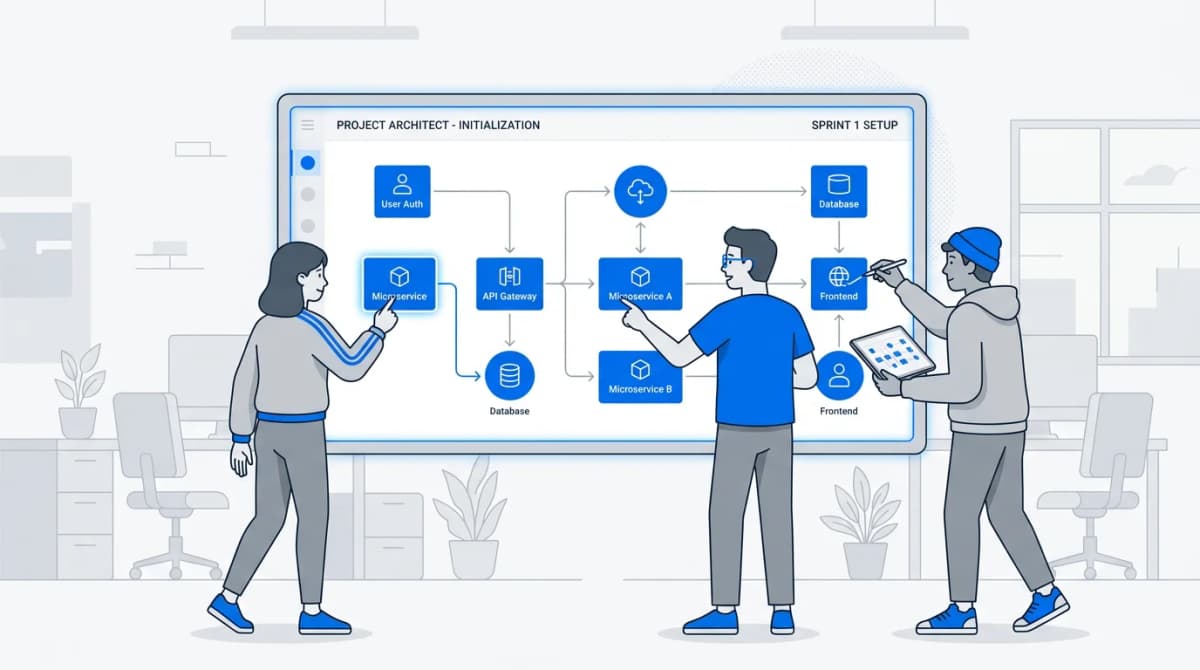
In a modern Riverpod setup, your architecture is naturally layered:
- Data Layer: API clients and local databases are exposed via basic Providers.
- Domain/Repository Layer: Consumes those raw data providers, processes the data, and exposes it via
NotifierProviders. - Presentation Layer: Simply uses a
ConsumerWidgetto watch the final, polished state.
Because Riverpod providers can safely depend on one another, passing dependencies down the chain requires no extra wiring. There is no need for bulky service locators or complex dependency injection packages like get_it. Riverpod is the dependency injection framework. Testing becomes incredibly focused; you can use ProviderContainer to mock network responses instantly, ensuring your unit tests are blazing fast and completely isolated from the UI.
Why Premium Templates Build on Riverpod
At Stacklyn Labs, we engineer premium, offline-first Flutter app templates designed to help agencies and developers bypass months of infrastructure headaches. When architecting SaaS-in-a-Box solutions, the choice of state management is critical. We need a framework that is robust enough for enterprise-grade, distributed applications but agile enough that a solo developer can customize the codebase in an afternoon.
This is exactly why our modern templates utilize Riverpod as the definitive standard. As we have discussed in our exploration of the Offline-First Flutter Architecture, modern apps require immediate read/write capabilities to local databases, backed by complex background synchronization. Managing this constant flow of data between the local edge and the cloud is intensely complicated.
Riverpod makes this seamless. By treating local database streams as reactive providers, Riverpod bridges the gap between persistent storage and the UI effortlessly. The combination of compile-time safety, automated asynchronous data handling, and zero-boilerplate dependency injection allows our architectures to remain remarkably clean.
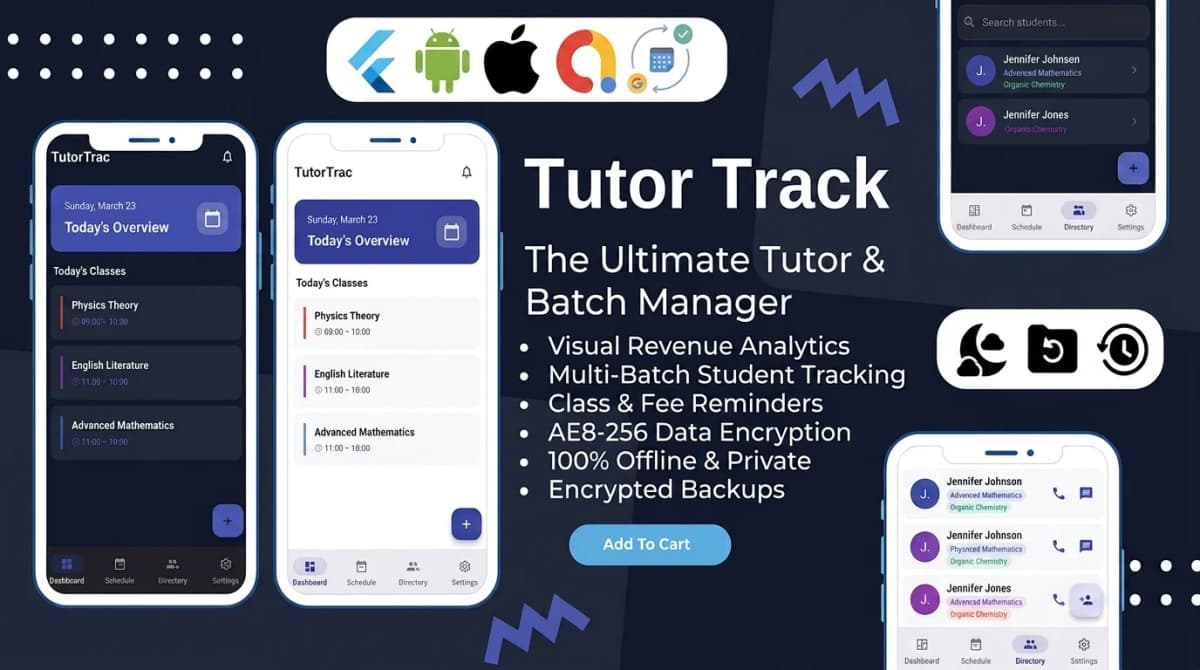
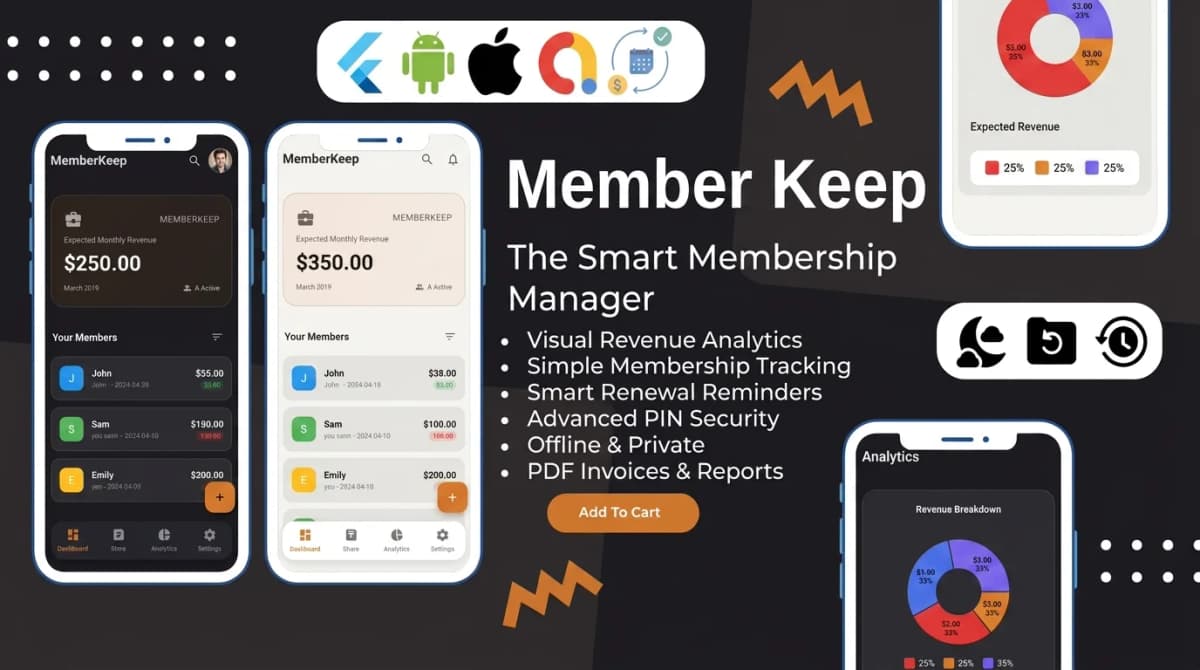
When a developer purchases a template like MemberKeep or TutorTrack, they do not want to spend three days deciphering a labyrinth of BLoC events just to add a new database query. They want to define a provider, watch it in the UI, and ship to production. Riverpod empowers this exact developer velocity. If you would rather skip the wiring, browse our offline-first Flutter apps; MemberKeep, SubZero and TutorTrack are the ones built on Riverpod. It handles the brutal logic of state lifecycle management invisibly, allowing our templates to focus on delivering high-performance, local-first user experiences that respond instantly and keep working offline.
The 2026 Verdict
The debate over state management has a clear conclusion, but the answer depends entirely on the structure of your organization.
If you are maintaining a legacy banking application with a team of 150 developers where every single state change must be heavily audited, logged, and structurally isolated, BLoC 9.0 remains a powerful, reliable fortress. Its strictness is its primary selling point.
However, if you are building the next generation of premium applications if you value speed, compile-time safety, effortless asynchronous data handling, and maintainable clean architecture Riverpod 3.0 is the definitive choice. It has evolved past being just a state management library; it is a comprehensive data and dependency framework that respects the developer's time.
Stop drowning in boilerplate, and start engineering with tools that trust you to move fast. Embrace the modern standard, leverage premium templates to accelerate your timeline, and focus your energy on what actually matters: delivering a flawless experience to your users.
References & Further Reading
- Official Riverpod Documentation (v3.0+) Explore the latest API references for Code Generation (
@riverpod),AsyncValuepattern matching, and the experimental offline persistence features. - BLoC State Management Library (v9.0.0 Migration Guide) Deep dive into the architectural changes in BLoC 9.0, including the introduction of
EmittableStateStreamableSource, enhanced testability, and automatedcontext.mountedsafety checks. - The Architecture of Local-First Web Development Our previous deep-dive into why the industry is shifting away from thin clients. Learn how Riverpod pairs with SQLite Wasm and OPFS to deliver instantaneous UI updates without loading spinners.
- Flutter Clean Architecture in 2026 A comprehensive look at structuring modern, scalable Flutter applications using domain-driven design, repository patterns, and natively injected dependencies.

Written by Stacklyn Labs
Stacklyn Labs is a small studio publishing offline-first Flutter templates on CodeCanyon and Codester since 2025, and building custom Flutter and web apps for the teams who buy them.